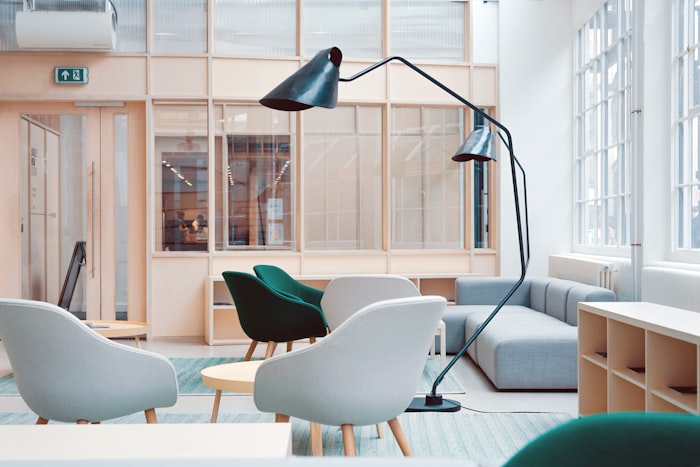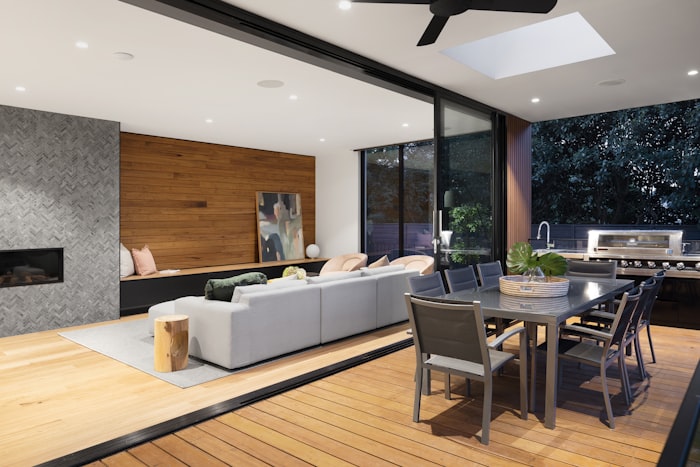
The Indian corporate office landscape is undergoing its most profound transformation in decades. Driven by the dual forces of post-pandemic behavioural change and a generational shift in workforce expectations, companies across Bangalore and beyond are fundamentally reconsidering what the office is — and what it should be.
At Elevare Designs, we have observed this evolution first-hand across more than forty corporate fit-out projects delivered in the past two years alone. The patterns that emerge are clear, consistent, and consequential for any organisation planning an office environment in 2025.
1. The Rise of Biophilic Design
Biophilic design — the integration of natural elements, materials, and patterns into the built environment — has moved from trend to imperative. Research consistently demonstrates that exposure to natural light, greenery, natural materials, and views of nature reduces stress, improves cognitive function, and meaningfully enhances employee wellbeing.
In practical terms, this translates to a number of specific design decisions that are now standard in our high-performing corporate interiors:
- Living walls and integrated planters throughout the workspace, not just in reception
- Maximised natural light penetration through open-plan layouts and glass partitioning
- Natural material palettes — timber, stone, jute, linen — in preference to synthetic finishes
- Circadian-responsive artificial lighting that mimics natural daylight cycles
- Water features and natural acoustic elements that reduce noise-related stress
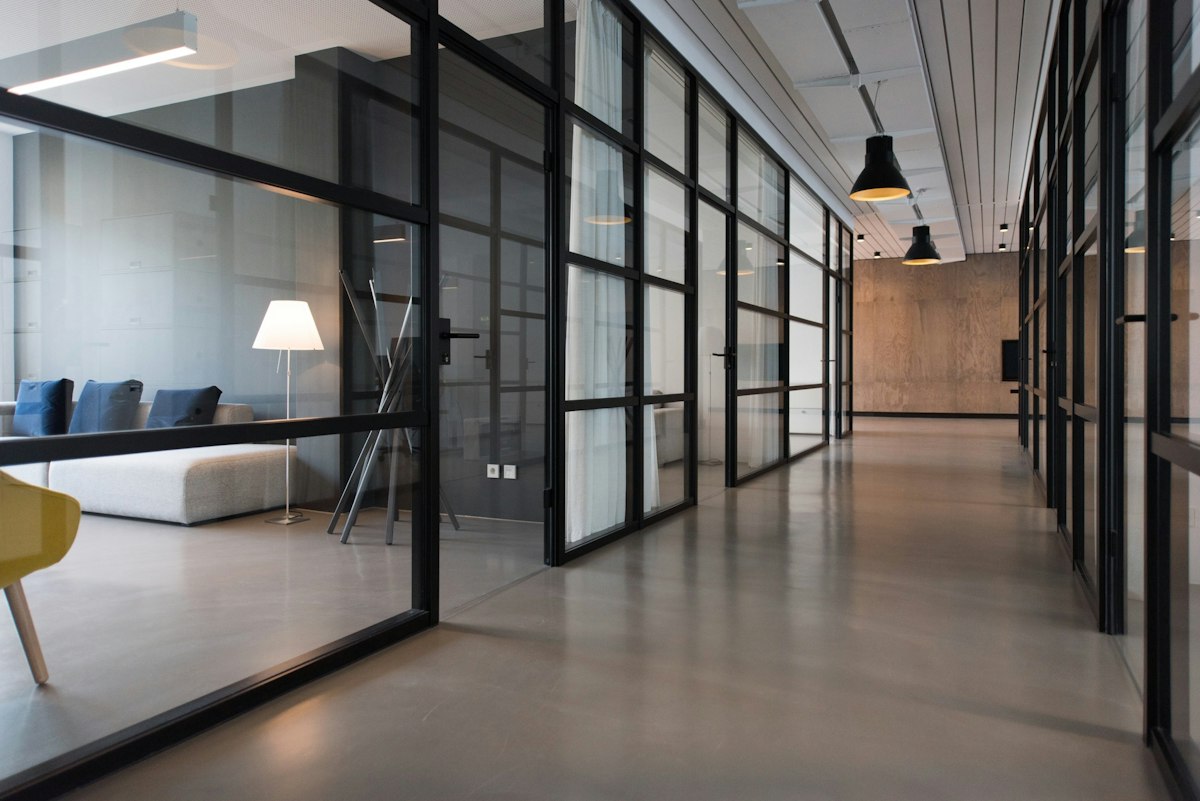
A recent Elevare project integrating biophilic elements throughout the workspace — living walls, timber accents, and maximised natural light.
2. Activity-Based Working & Spatial Flexibility
The fixed-desk model is rapidly giving way to a more nuanced understanding of how people actually work. Activity-based working (ABW) recognises that knowledge workers move through a range of cognitive modes throughout the day — focused concentration, collaborative ideation, informal connection, and restorative rest — and that each mode requires a different spatial environment.
The ABW office provides a variety of settings calibrated to these different modes, allowing employees to choose where they work based on the task at hand. The design result is a rich spatial palette:
- Quiet focus zones with acoustic shielding and minimal visual distraction
- Collaboration studios with writable surfaces, flexible furniture, and integrated AV
- Informal lounge areas that facilitate chance encounters and social connection
- Private phone pods and video-call booths for confidential conversations
- Touchdown points and hotdesking areas for hybrid workers visiting the office
"The best offices of 2025 don't look like offices at all — they feel like the most thoughtfully designed environments their occupants have ever worked in. That is the standard we set for every Elevare project."
3. Technology Integration & Smart Building Systems
The modern corporate office is increasingly intelligent. Smart building technologies — integrated controls for lighting, HVAC, security, and space management — are now expected by sophisticated occupiers, not just appreciated. Our IT/AV teams integrate these systems seamlessly into the design, ensuring that technology enhances the spatial experience rather than interrupting it.
Key technology integrations in 2025 corporate projects include:
- Touchless access control and visitor management systems
- Integrated room booking displays and space utilisation analytics
- High-performance wireless infrastructure supporting hybrid work
- Video conferencing systems designed for equity between in-room and remote participants
- Automated lighting and climate control responsive to occupancy
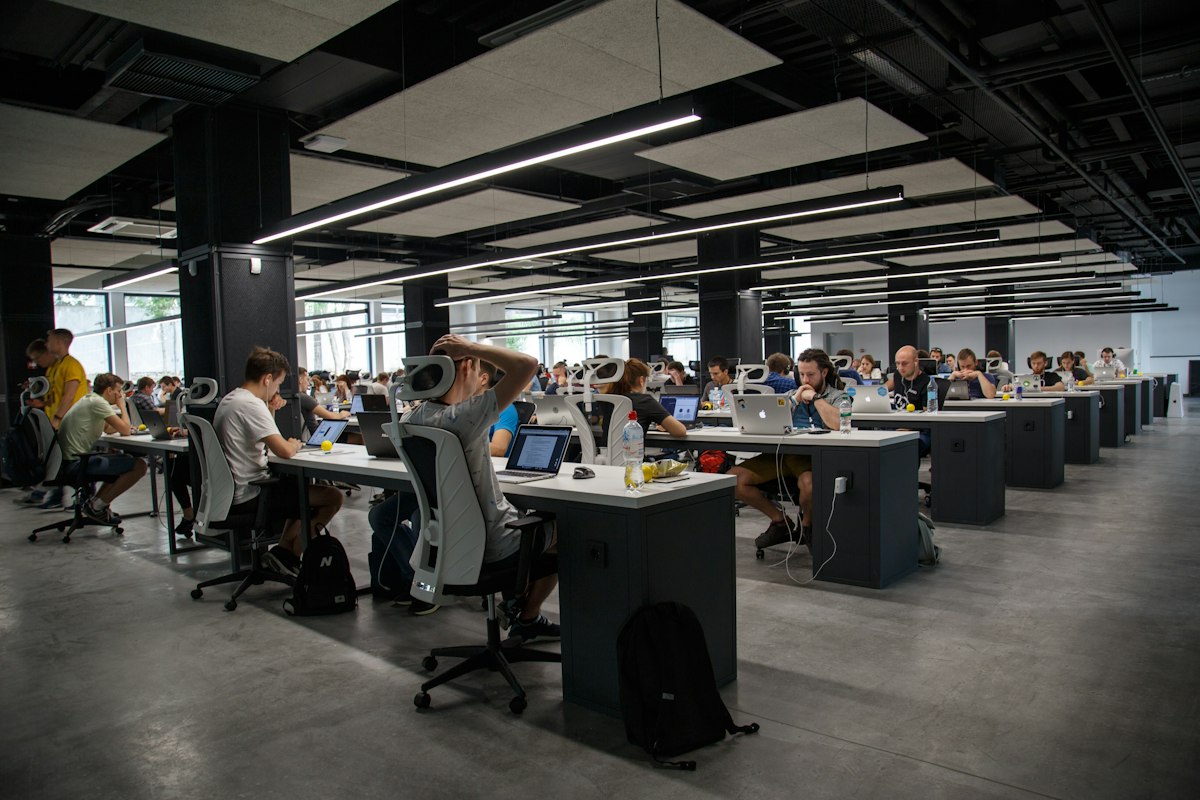
Integrated AV and smart building controls in a recent Elevare-designed innovation hub.
4. Wellness-Centred Design Philosophy
Employee wellbeing has moved from HR strategy to spatial strategy. WELL-certified design principles — addressing air quality, water, nourishment, light, fitness, comfort, and mental wellbeing — are increasingly influencing how corporate clients brief their projects.
At Elevare, we design wellness into the environment at every scale — from the macro planning of diverse spatial types to the micro specification of ergonomic furniture, anti-fatigue flooring, and acoustic treatment that protects cognitive function throughout the workday.
5. Brand Expression & Cultural Identity
The most memorable corporate environments are those where the physical space clearly expresses what the organisation believes and how it works. This goes far beyond hanging the company logo in reception — it requires a deep integration of brand values into every spatial, material, and experiential decision.
We begin every corporate project with a brand immersion workshop that translates organisational identity into spatial and material language. The result is an office that employees recognise as unmistakably theirs — and that clients and visitors immediately associate with the company's character.
The corporate office of 2025 is not simply a place to work. It is a physical expression of culture, a tool for talent attraction, a platform for collaboration, and an investment in human performance. Organisations that recognise this — and invest accordingly in exceptional design — will enjoy a measurable competitive advantage in the years ahead.
If you are planning an office interior project in Bangalore or across India, we would welcome the opportunity to share what we have learned from our most successful recent projects. Get in touch with our team.